Conquer Mars
The 1500km volcanic crater on Mars may have life
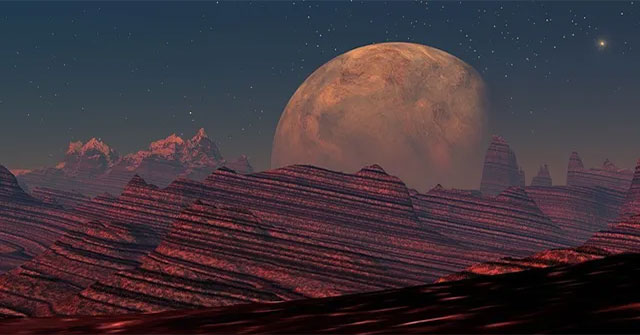
Physicist Brian Cox said, Mars now looks like a rock desert, which may have been a real paradise with waterfalls and rivers.
Browse ScienceInfo articles and explainers related to Extraterrestrial Life.
134 published items.
Physicist Brian Cox said, Mars now looks like a rock desert, which may have been a real paradise with waterfalls and rivers.
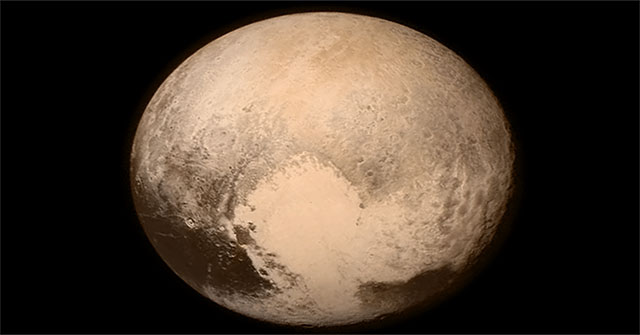
(Civilian) - This discovery raises speculations about the existence of aliens.
Mankind is still actively implementing all plans for space exploration in order to quickly find a place that can sustain life.
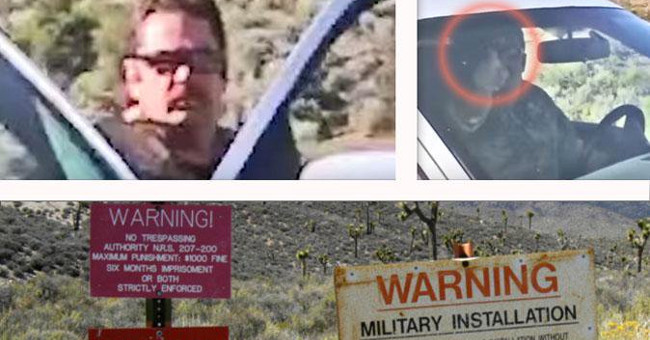
Do you know why scientists from the past to the present always poured their enthusiasm and effort to find out alien life?
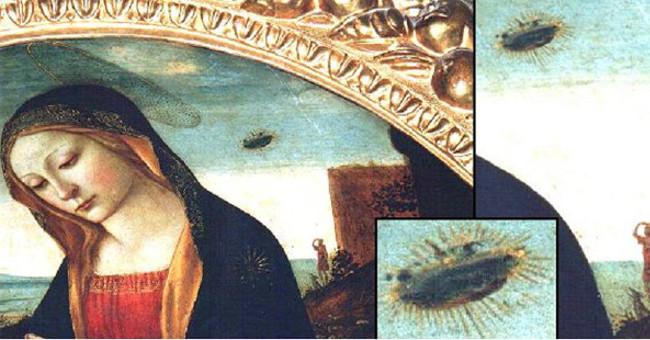
Does life beyond the left, aliens, flying objects not exist? This is the long-standing controversial topic of mankind, but so far there has been no answer. Here are the…
Australian biologists think life on other planets can be short-lived and quickly extinct.
James Fox, a Hollywood film director, said he would hand over $ 100,000 to the person providing evidence of the existence of extraterrestrial spacecraft.
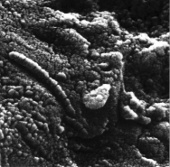
The race to find intelligent life, or any life beyond Earth has led to a heated competition among scientists around the world during the past decades.

The idea of life on the Moon of a strange planet in the movie Avatar is being accepted by scientists, promoted.
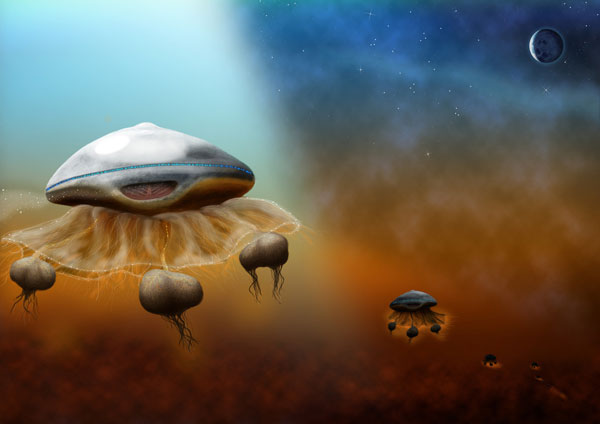
Aliens are real and appear superficially like a giant jellyfish, according to a leading British space scientist. Dr. Maggie Alderin-Pocock predicts creatures floating in…

Aliens in many cinematographic productions like Battleship and Men in Black 3 are described as those who will terrorize the earth. But sci-fi novels can be very far from…
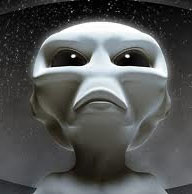
Aliens (ET) are stories that have never been less hot in the debate about life in space with lots of rumors surrounding it. By combining existing knowledge of life on Ea…
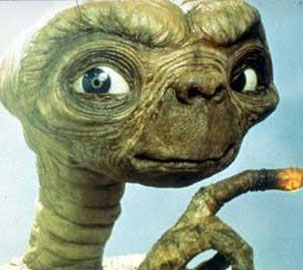
If it is true that aliens (ET) exist, it is more likely that they are deliberately avoiding humans.
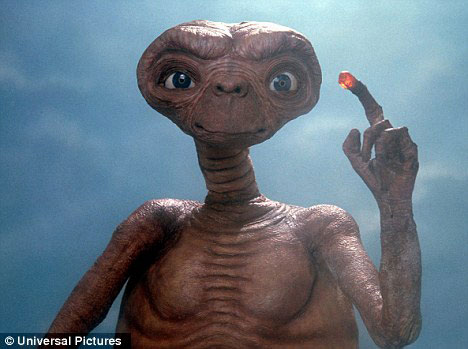
Humans will face extraterrestrials within the next two decades, a leading Russian astronomer predicts.